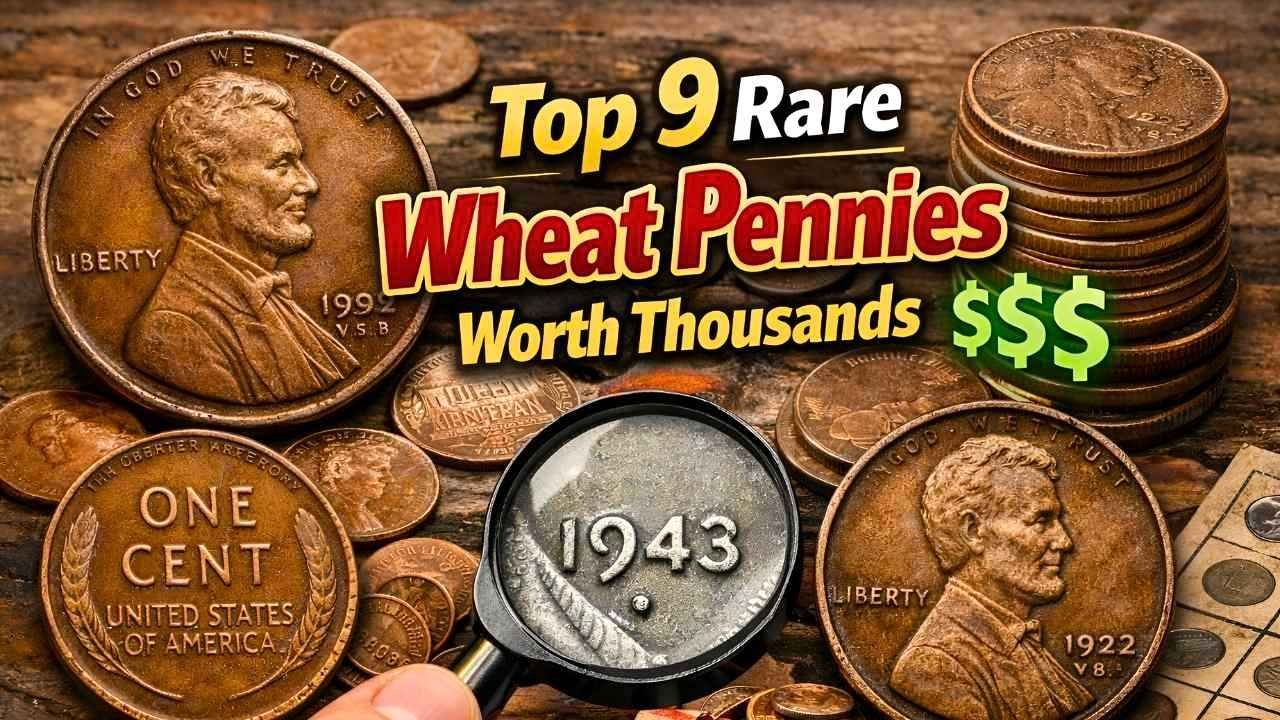
Wheat Pennies, officially known as Lincoln Wheat Cents, are among the most beloved coins in American numismatics. Minted between 1909 and 1958, these coins feature the iconic portrait of Abraham Lincoln on the obverse and two wheat stalks on the reverse. While millions were produced, certain rare dates, mint marks, and error varieties stand out as highly valuable. Collectors often seek these rare Wheat Pennies not only for their monetary worth but also for the rich history they represent.
Historical Background
The Lincoln Wheat Cent was introduced in 1909 to commemorate the centennial of Abraham Lincoln’s birth. Designed by Victor David Brenner, it was the first U.S. coin to feature a real person rather than a symbolic figure. The wheat stalks on the reverse symbolized prosperity and abundance. Over the years, the coin became a staple of American currency, circulating widely until it was replaced by the Lincoln Memorial design in 1959.
Key Rare Wheat Pennies
Here are nine of the most valuable Wheat Pennies that collectors should know:
1909‑S VDB
This coin is the most famous Wheat Penny rarity. Only 484,000 were minted in San Francisco with the designer’s initials, VDB, on the reverse. Its low mintage and controversy over the initials make it highly sought after.
1914‑D
The Denver‑minted penny from 1914 is another key rarity. With a mintage of just over one million, it is scarce in high grades and commands strong prices among collectors.
1922 No D
This variety is unique because the Denver mint was the only one producing cents in 1922. Some coins were struck with worn dies, resulting in missing mint marks. The “No D” variety is rare and valuable.
1931‑S
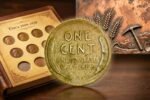
Although not as rare as the 1909‑S VDB, the 1931‑S penny had a low mintage of just under one million. It is prized by collectors, especially in uncirculated condition.
1943 Copper Penny
During World War II, pennies were struck in steel to save copper for the war effort. A few copper planchets were mistakenly used, creating one of the most famous error coins in U.S. history. These are worth thousands, sometimes even more depending on condition.
1944 Steel Penny
In 1944, pennies returned to copper, but a few steel planchets from 1943 were accidentally used. These rare steel cents from 1944 are highly collectible and valuable.
1926‑S
The San Francisco issue from 1926 is difficult to find in high grades. While not extremely rare in circulated condition, uncirculated examples are scarce and command strong premiums.
1955 Doubled Die
This error variety is one of the most dramatic doubled dies in U.S. coinage. The date and inscriptions show clear doubling, making it a favorite among collectors. Well‑preserved examples can be worth thousands.
1911‑S
The San Francisco mint produced fewer than five million pennies in 1911. While not as rare as some others, the 1911‑S is still considered a key date and is valuable in higher grades.
Error Varieties
Error coins add excitement to Wheat Penny collecting. Doubled dies, off‑center strikes, and repunched mint marks are among the most sought‑after varieties. The 1955 doubled die is the most famous, but other errors from different years also attract strong interest.
Collectibility and Value
The value of Wheat Pennies depends on rarity, condition, and demand. Common dates in circulated condition may only be worth a few cents, but rare dates and errors can be worth hundreds or thousands. Coins graded by professional services with high ratings are especially valuable. Collectors often build complete sets, making even semi‑key dates desirable.
Cultural Significance
Wheat Pennies are more than just coins; they are pieces of American history. They connect collectors to the early 20th century, the Great Depression, and World War II. For many, these coins evoke nostalgia, as they were once found in everyday pocket change. Today, they serve as a reminder of the artistry and history embedded in U.S. coinage.
Tips for Collectors
For those interested in collecting Wheat Pennies, here are a few tips:
- Learn the key dates and mint marks to identify valuable coins.
- Inspect coins carefully for errors and unusual varieties.
- Consider professional grading to establish authenticity and protect value.
- Store coins properly in holders or albums to prevent wear and tarnish.
- Build a collection gradually, focusing on quality rather than quantity.
Conclusion
Rare Wheat Pennies continue to captivate collectors with their beauty, history, and potential value. From the legendary 1909‑S VDB to the dramatic 1955 doubled die, these coins represent some of the most exciting discoveries in American numismatics. Whether you are a seasoned collector or just beginning your journey, learning about rare Wheat Pennies will deepen your appreciation for coin collecting and connect you to a rich tradition of artistry and history.