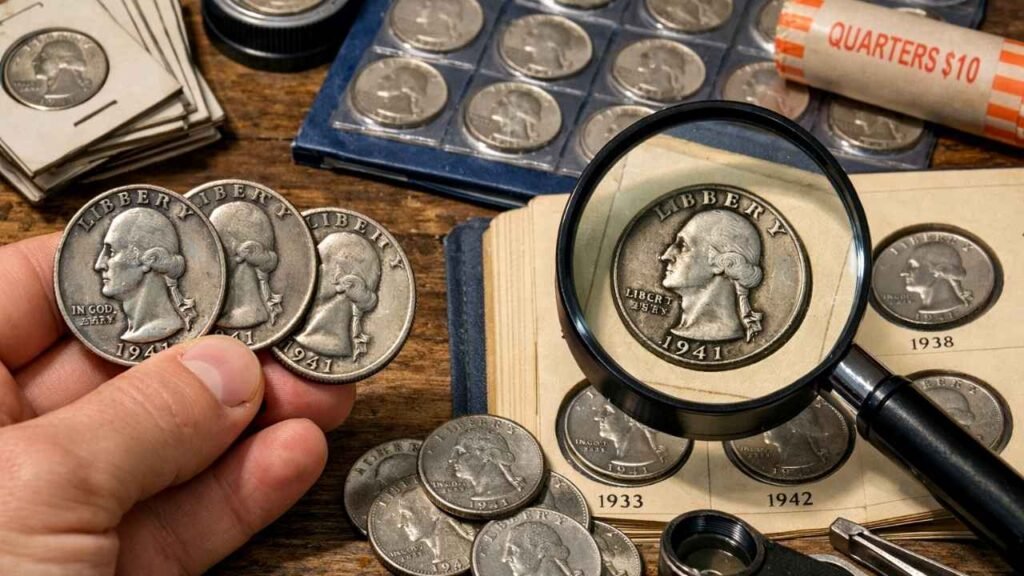
The Washington Quarter is one of the most enduring coins in American numismatic history. First introduced in 1932 to honor the 200th anniversary of George Washington’s birth, it has remained a staple of U.S. coinage for nearly a century. Over the decades, the quarter has undergone design changes, shifts in composition, and has produced rare varieties that continue to fascinate collectors. This guide explores the history, design evolution, minting details, and collector values that make Washington Quarters a cornerstone of coin collecting.
Origins of the Washington Quarter
The Washington Quarter was created as part of a national movement to honor the first President of the United States. Sculptor John Flanagan’s design was chosen, featuring a left-facing portrait of Washington on the obverse and an eagle with outstretched wings on the reverse. Initially intended as a one-year commemorative coin, its popularity ensured that it became a permanent fixture in U.S. currency.
Design Evolution Over the Decades
The Washington Quarter has seen several design changes since its inception.
- 1932–1974: The original Flanagan design remained largely unchanged, with minor adjustments to details and relief.
- 1975–1976 Bicentennial Quarters: To celebrate America’s 200th anniversary, the reverse was redesigned to feature a colonial drummer boy and torch. These coins remain popular among collectors.
- 1999–2008 State Quarters Program: Each state was honored with a unique reverse design, sparking renewed interest in coin collecting.
- 2009–2010 D.C. and U.S. Territories Quarters: Extended the program to include Washington D.C. and U.S. territories.
- 2010–2021 America the Beautiful Quarters: Highlighted national parks and historic sites across the country.
- 2022–Present American Women Quarters: A new series celebrating influential women in U.S. history.
Minting Details and Composition
The Washington Quarter has been struck at multiple mints, including Philadelphia, Denver, and San Francisco. Early issues from 1932 to 1964 were composed of 90% silver and 10% copper, making them highly desirable for both collectors and investors. In 1965, the composition changed to a copper-nickel clad due to rising silver prices. Special proof and silver collector editions have continued to be produced, particularly at the San Francisco Mint.
Rare Varieties and Errors
Collectors are especially drawn to rare varieties and minting errors. Some notable examples include:
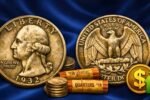
- 1932-D and 1932-S Quarters: Low mintage coins that are highly valuable in high grades.
- 1950-D/S Overmintmark: A rare variety where the Denver mint mark was struck over a San Francisco mint mark.
- Double Die Errors: Coins with doubled lettering or details, particularly from the 1940s and 1950s.
- Bicentennial Silver Proofs: Special issues with 40% silver content that command premium prices.
Collector Market Trends
The value of Washington Quarters varies widely depending on rarity, condition, and demand. Common clad quarters from circulation are worth face value, but silver issues and rare varieties can fetch hundreds or even thousands of dollars. The State Quarters program introduced millions of new collectors to the hobby, increasing demand for complete sets. Today, high-grade silver Washington Quarters and rare mint errors remain strong investments in the numismatic market.
Tips for Collectors
- Focus on Key Dates: Coins like the 1932-D and 1932-S are essential for serious collections.
- Check for Silver Content: Quarters minted before 1965 contain silver and are more valuable.
- Inspect for Errors: Doubling, overmintmarks, and unusual details can significantly increase value.
- Preserve Condition: Store coins in protective holders to maintain grade and market value.
- Consider Professional Grading: Authentication and grading by services like PCGS or NGC can enhance value and buyer confidence.
Key Highlights
- Washington Quarters were first issued in 1932 to honor George Washington.
- The design has evolved through programs like the Bicentennial, State Quarters, and America the Beautiful series.
- Early silver issues (1932–1964) are highly prized by collectors.
- Rare varieties such as the 1932-D, 1932-S, and overmintmark errors command premium values.
- Collector demand surged during the State Quarters program, making complete sets popular.
Final Words
The Washington Quarter is more than just a piece of currency; it is a reflection of American history and artistry. From its silver origins to modern commemorative designs, the coin has captured the imagination of collectors for generations. Whether you are searching for rare varieties, building a complete set, or simply appreciating its design, the Washington Quarter offers endless opportunities for discovery. Its enduring legacy ensures that it will remain a cornerstone of numismatics for years to come.